Why You Might Need an Emergency Auto Locksmith and How to Prepare
@emergencyautolocksmithtips
When a Lockout Catches You Off Guard
It happens faster than you expect. You close the car door, hear the click, and realise the keys are still on the seat. Or maybe the fob has finally given up, and the engine won't start. At that moment, what you need is an emergency auto locksmith who can get you back on the road without wasting hours on hold or waiting for a tow truck. For drivers along the Yorkshire coast, especially between Filey and Whitby, having a reliable service in mind can turn a stressful situation into a manageable one.
What an Emergency Auto Locksmith Actually Does
Most people picture a locksmith as someone who works on house doors. The automotive side is a different skill set entirely. Modern cars use electronic fobs, transponder keys, and sometimes even smartphone-based systems. When you are locked out, the issue is rarely just a mechanical lock. It might be a dead battery in the fob, a broken ignition cylinder, or a door handle mechanism that has jammed. A good emergency auto locksmith carries the tools and knowledge to handle these scenarios without damaging the vehicle.
For example, many newer models have a "safety" feature that locks all doors if the battery is disconnected. If you are changing a battery or doing a jump start, it is easy to get stranded outside with the keys still inside. A professional can use specialised wedges and long-reach tools to manipulate the interior handle or unlock the door from the outside. This is not something you can do with a coat hanger, and trying to force the door often leads to broken glass or damaged seals.
Common Reasons People Call an Emergency Auto Locksmith
Lockouts are the most frequent call, but they are far from the only one. Key breakage is another common problem. The stress of turning a stiff lock can snap a worn key off inside the ignition or the door. When that happens, you cannot simply pull the broken piece out with pliers. A locksmith has extraction tools that grip the fragment without causing further damage. Similarly, lost keys are a regular occurrence. If you have dropped them down a drain, left them on the roof of the car, or simply misplaced them, a mobile locksmith can come to your location and cut a new key on the spot, provided the lock is not electronic.
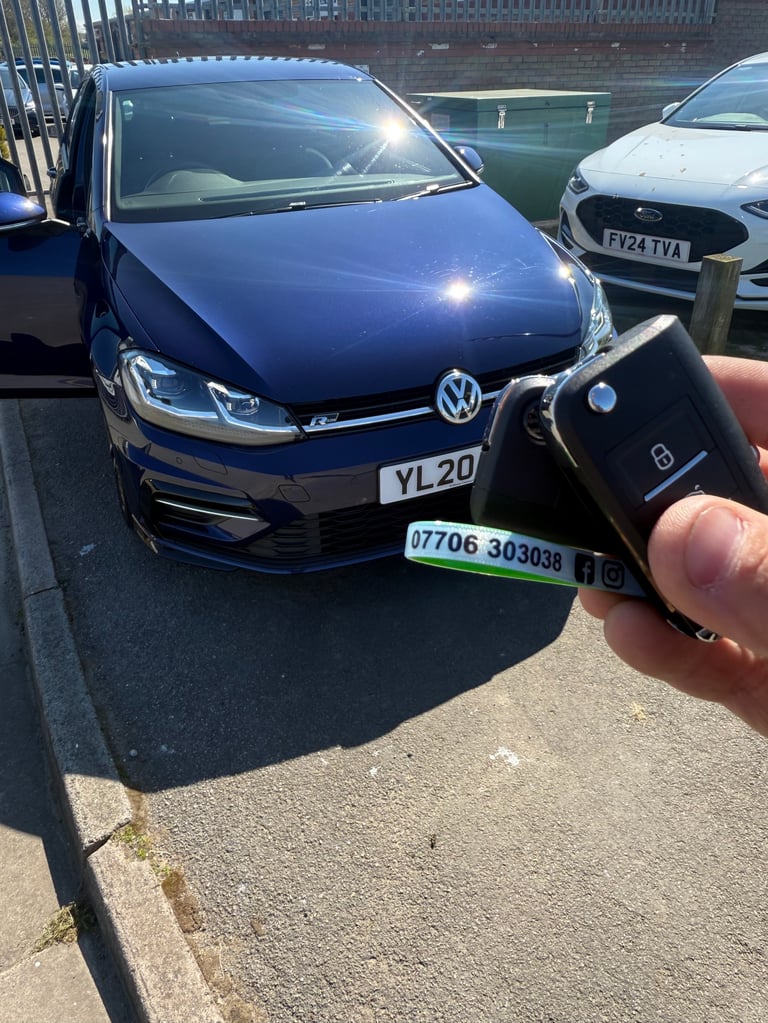
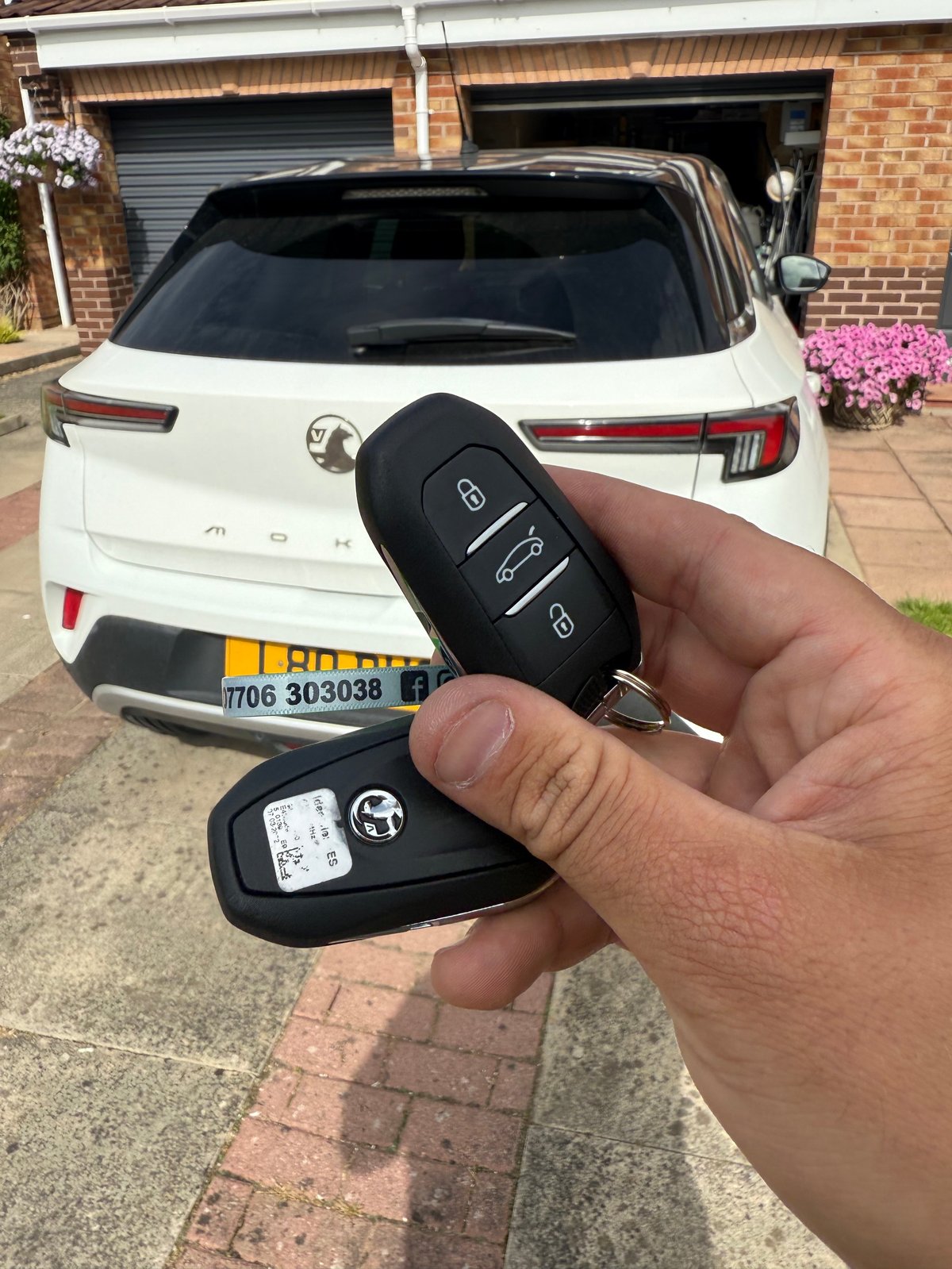
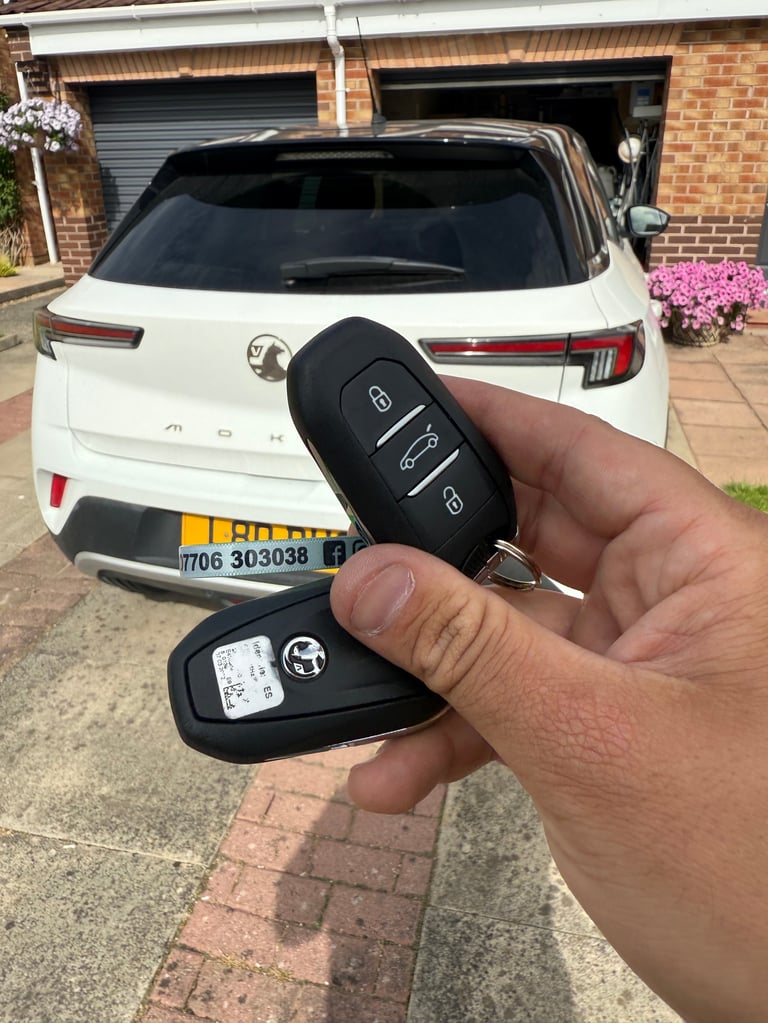
Key programming is a growing part of the job. Many cars built after 2010 use transponder chips that must be synchronised with the vehicle's computer. If you have lost your only working fob, a standard key cut will not start the engine. The locksmith needs diagnostic equipment to read the car's system and program a new fob. That is why it is important to choose a service that lists key programming as a capability. Not every locksmith carries that gear.
How to Handle a Lockout Calmly
The first thing to do is check if you have a spare key somewhere accessible. Many people keep a magnetic box under the car, but that is risky if a thief knows where to look. A better option is to leave a spare with a trusted neighbour or family member who lives close by. If no spare is available, call a professional. Do not try to break a window unless there is an immediate safety risk, like a child or pet trapped inside. Replacing a window costs more than a locksmith visit, and the glass can cause injury.
While you wait, stay near the vehicle so the locksmith can find you, but keep a safe distance from traffic. If you are on a busy road, stand behind the barrier or on the pavement. It also helps to have your vehicle registration and your proof of ownership ready. Some locksmiths ask for these details to confirm you are the owner, especially if you are calling from a public car park.
Prevention Tips That Save Time and Money
You can reduce the chance of a lockout with a few simple habits. Always check that the keys are in your hand before you close the door. It sounds obvious, but it is easy to get distracted by a phone call or a child in the back seat. If your car has a keyless entry system, test the battery level every few months. A weak fob battery can stop working without warning, leaving you unable to unlock the door or start the engine. Replacing the battery once a year is cheap insurance.
Another tip is to lubricate the ignition and door locks with a graphite-based powder once or twice a year. Graphite does not attract dust like oil, and it keeps the tumblers moving smoothly. If you feel resistance when turning the key, do not force it. Forcing a stiff lock is the fastest way to snap a key inside. Instead, spray the lock with a dry lubricant and try again gently.
Choosing the Right Service for Your Area
When you search for an "emergency auto locksmith Scarborough Autolocksmith" you are looking for a mobile service that covers the coastal strip. The geography matters because response time depends on how far the locksmith has to travel. A company based in Scarborough that also covers Filey, Hunmanby, and Whitby is better positioned than one that has to come from a city miles inland. The best approach is to save the contact number of a trusted local provider before you need it. That way, you are not scrolling through search results while standing in the rain.
It is also worth asking upfront what the service includes. Some companies charge a call-out fee and then add extra for key cutting or programming. Others offer a flat rate for standard lockouts. Knowing the pricing structure in advance helps you avoid surprises. But remember, the cheapest option is not always the best. You want someone who arrives quickly and does the job without causing damage.
What to Expect During a Callout
When you call an "emergency auto locksmith Scarborough Autolocksmith", they will ask for your location, the make and model of your car, and a description of the problem. This helps them bring the right tools and estimate the time needed. A typical lockout takes between fifteen and thirty minutes to resolve, but complex electronic issues can take longer. The locksmith will arrive in a marked vehicle and ask for identification before starting work. They will then assess the lock or the electronic system and decide the best approach.
For a mechanical lockout, they will use a wedge to create a small gap between the door and the frame, then insert a long tool to press the unlock button or pull the handle. For electronic issues, they will connect a diagnostic tool to the car's port and program a new key. In both cases, they work carefully to avoid scratching paint or damaging seals. Once you are back inside, they will test the key or fob before they leave.
The Value of Local Knowledge
Driving conditions on the coast can be unpredictable. Fog, sea spray, and salt air affect both locks and electronics more than inland environments. A locksmith who works locally understands these factors and carries supplies that resist corrosion. They also know the road networks and can give accurate arrival times, even in bad weather. That local expertise is something a national call centre cannot match.
If you have ever been stuck on a cold evening with the tide coming in and a car that will not open, you know that the right help makes all the difference. Being prepared is not about expecting the worst. It is about making sure that when something goes wrong, you have a plan. And part of that plan is knowing who to call: a professional who can handle the situation, whatever the car throws at them.
Stay Ready for the Unexpected
Lockouts and key failures are part of car ownership, especially as vehicles become more electronic. The best defence is a combination of good habits and a reliable contact. Keep a spare key somewhere safe, test your fob battery regularly, and store the number of a trusted mobile locksmith in your phone. That way, if you ever find yourself on the side of the road with a locked car, you can make one call and get moving again quickly.